Friday, February 14, 2020

Damn Lancelot :/

"Father, I pray that my sorrow is not displeasing to God. But when I recalled the peerless grace and beauty of the Queen, and the great joy with which we all beheld her and the King at the court, my heart began to fail me. Then, seeing them together in the tomb, I fully understood for the first time how I had betrayed them and brought each ot his death through my selfish love and pride; and so it is I feel that my spirit can no longer sustain my body" (Malory)

I am so frustrated with Lancelot. This moment is the FIRST TIME he noticed that he fucked everything up?? Also, they paint his death like this beautiful thing because he ultimately went to Heaven (?)
, pssht, BS. He literally lied so much about what he and the Queen were doing, and despite the fact that he tried to be honorable throughout this whole story, he and the Queen are still the reasons for all of the death and demise. Arthur died for such a stupid reason. I am so annoyed. 

Tuesday, February 11, 2020

Manuscripts

I found it interesting how manuscripts are made from animal skins. The steps to creating a manuscript is elegant and time consuming, from the quill pen to the book itself. When I watched the video, I was slightly amazed at all the effort involved. I thought the manuscript would have been made from paper. Everything used is organic. Some skill is also required. Steady hands are a necessity in creating a manuscript. I imagine that they were very expensive to obtain. Geoffrey wrote a manuscript that does not have credible sources. Was the book written for history purposes or entertainment? Geoffrey seems to idolize kings and even dramatize events that occurred during various time periods. When I read excerpts of the manuscript it seemed historical, but I am not super knowledgeable on kings of ancient times. He was merely a storyteller. The book could be classified as historical fiction.  

                                                        An Example of a Manuscript

https://www.bing.com/images/search?view=detailV2&id=1A2D5F84209AA0E74505283EB
39D12EE29B2FAE7&thid=OIP.MpaIzYJbDl0CUKVA4XPSkQHaFj&mediaurl
=http%3A%2F%2Fwww.christies.com%2Fimg%2FLotImages%2F2014%2FCKS%2F2014_
CKS_01568_0005_004.jpg&exph=2400&expw=3200&q=geoffrey+manuscript+
book&selectedindex=66&ajaxhist=0&vt=0

God and Arthur

One of the quotes I found most interesting in Arthur in Geoffrey of Monmouth was on page 61 where Merlin is asked to explain the meaning of a star that had just appeared. He proclaimed "The glorious king of the Britons is dead, Aurelius Ambrosius, by whose death we shall all die, unless God brings help."

This really made me wonder what role God and religion played in Arthurian times, and how it weaved its way into Geoffrey of Monmouth's literature. Perhaps he thought that there must be theology, or no one would believe him. After all, aren't we all still asking whether or not King Arthur was "real?"
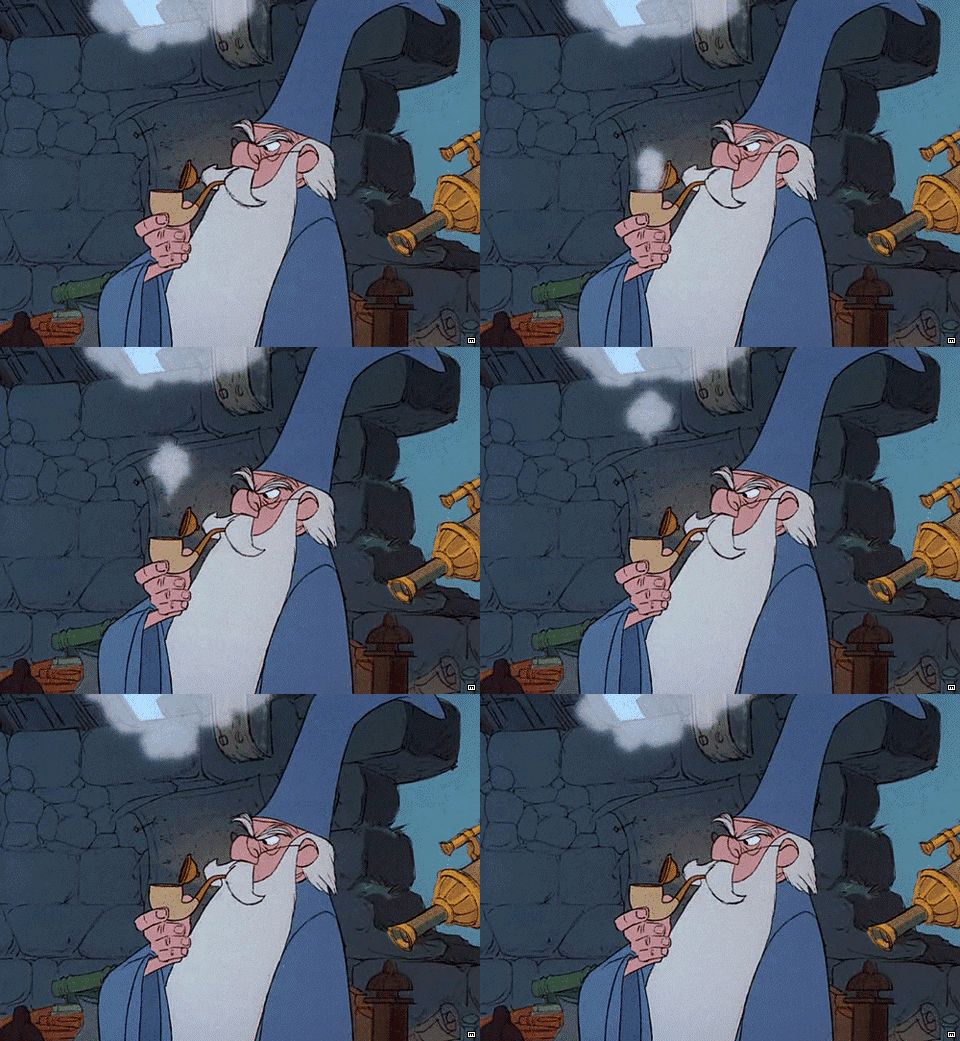
Merlin from giphy.com

Mr. Perfect~

Arthur is the perfect character. And by perfect, I mean he has no real flaws. He's too perfect, if you ask me. He literally becomes King because everybody likes him (p.64). This begs the question, then, why do we continue to read stories based around King Arthur if his character appears to lack depth? What about his story is so interesting, that humans continue to rewrite and rewrite and then rewrite it some more? I, of course, don't know the answer to this, but I do have a few thoughts.

First and foremost, the stories tends to follow the hero's journey, which we discussed in a previous class. For whatever reason, human society loves the rewatch, time and time again, stories that follow this specific formula. Perhaps it brings us some element of comfort--we know what is going to happen, to a point of course, and that is comforting to us.

Second, perhaps it's because Arthur is the "ideal" character. I personally don't think he is, because I don't think a character can be ideal if they have no flaws, but my opinion is not the only one out there. Maybe people use him as a source of inspiration. Inspiration for what, I'm not entirely sure, but I guarantee there are people out there who look at him as an idol of sorts.

Geoffrey of Monmouth has his finger on the pulse...of his patrons?


In "The Conquest of the Past in The History of the Kings of Britain," Michael Faltera critiques Michelle Warren for under underemphasizing "the extent to which patronage shapes ideology" (127). Put perhaps more crudely, his point is that there's a straight line between money and content (something we're all well aware of). This seems to further problematize the idea of truly original content - even people who eschew financial support for their artistic endeavors are doing so in the framework of commodifying artistic expression in general. Is it possible that we occasionally mistake creativity (or originality) for cleverness (being nimble in a specific framework, but still limited in expression)? Or are they the same thing?

Classic Arthur

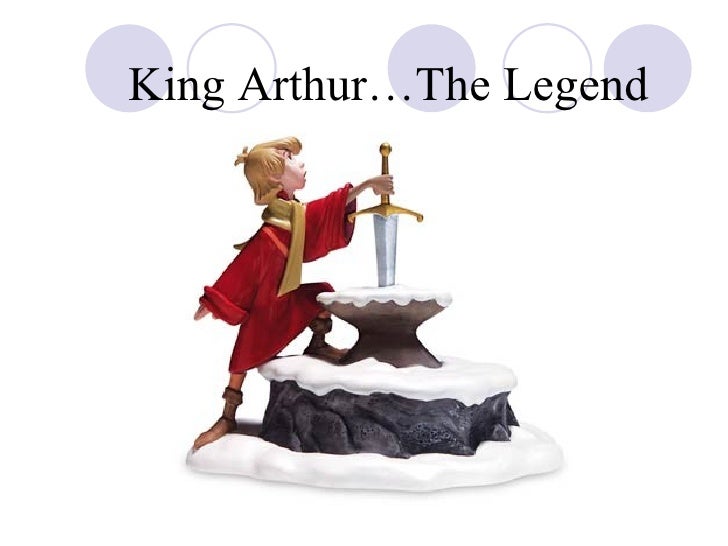
Image result for king arthur meme
Image sourced from slideshare.net 

As this is my second time reading Loomis's Arthur Geoffrey of Monmouth, I found it interesting that this quote stood out to me in each reading: "No wonder-- Arthur's generosity, famous throughout the world, had attracted everyone by his love" (72).

Hardly Believable

         I find this chapter to be quite amusing but at the same time frustrating. This is an iconic piece of history pertaining to our knowledge of the 'magnificent' King Arthur, but with that being said, was anyone actually believing anything Geoffrey said? So many aspects of this tale are so painfully unrealistic and some downright impossible to believe to the point where it cannot be ignored.  For example, the constant supply of thousands of men for Arthur's battles seems endless. The mention of fantastical beast and events like giants and shapeshifting is also unreal. And, of course, the great detail with which Geoffrey describes each event also make me suspicious: “Arthur unsheathed his sword, too, and was hurrying to kill him, when Frollo stood up quickly and, with his lance straight before him, ran at Arthur” (Geoffrey 70).
         Also, Arthur seems way too good to be true; he is great at battle, compassionate, forgiving, competent, and every other great quality under the sun. Maybe I'm being cynical, but I doubt anyone like this existed.
         I think that it is clear that most of this probably didn't happen like Geoffrey said it did, or maybe didn't even happen at all. If this is is the case, why did it stick? Why are these stereotypes still used to depict Arthur, and why are we even still depicting him at all?